Introduction
What is a computer?
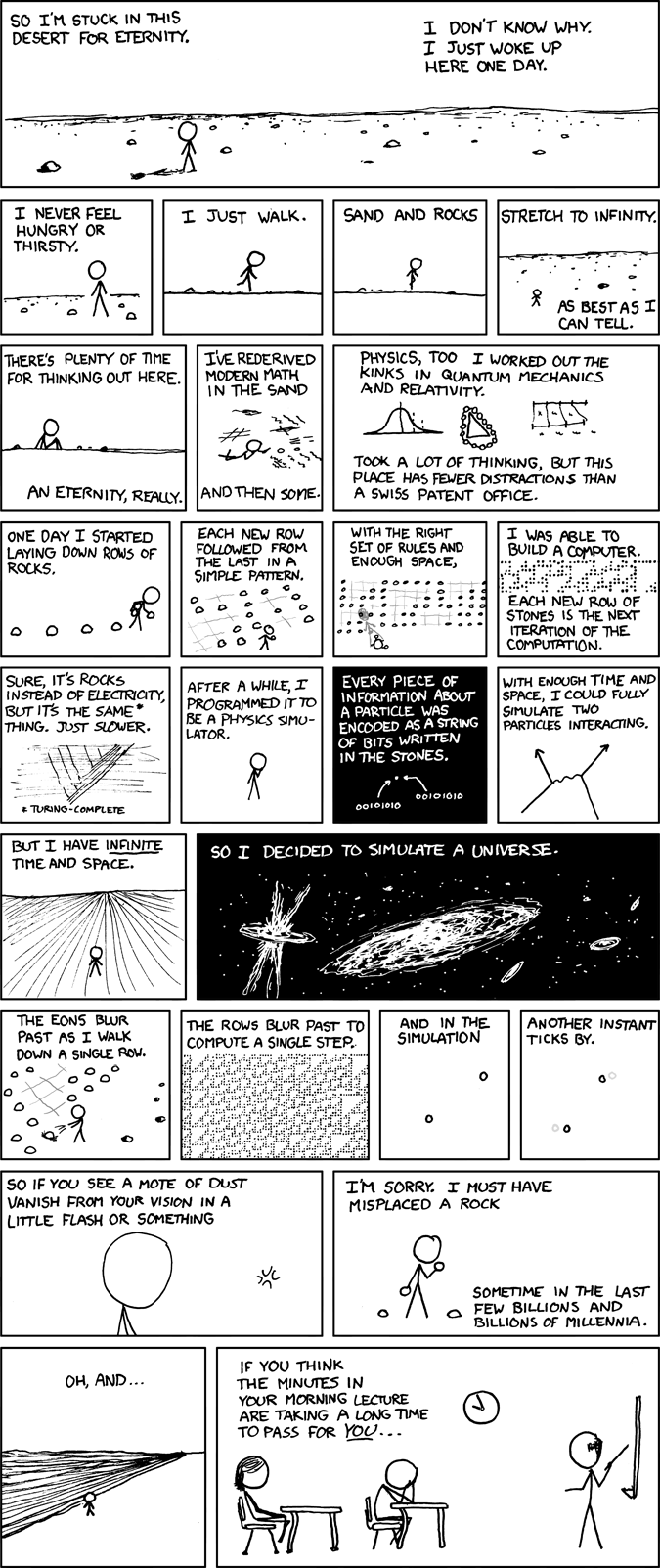
History of Programming
- 25th Century BC - Abacus (Babylon)
- 5th Century BC - Pāṇinian grammar (India)
- 1st Century BC - Antikythera mechanism (Greece)
- 12th Century - Castle Clock (Arab World)
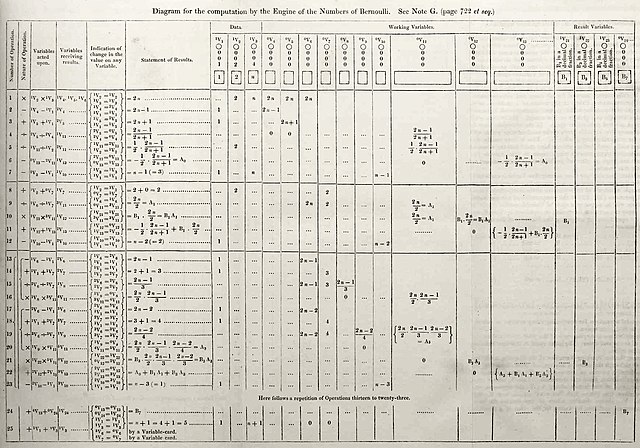
In Babbage’s world his engines were bound by number…what Ada Byron saw—was that number could represent entities other than quantity. So once you had a machine for manipulating numbers, if those numbers represented other things, letters, musical notes, then the machine could manipulate symbols of which number was one instance

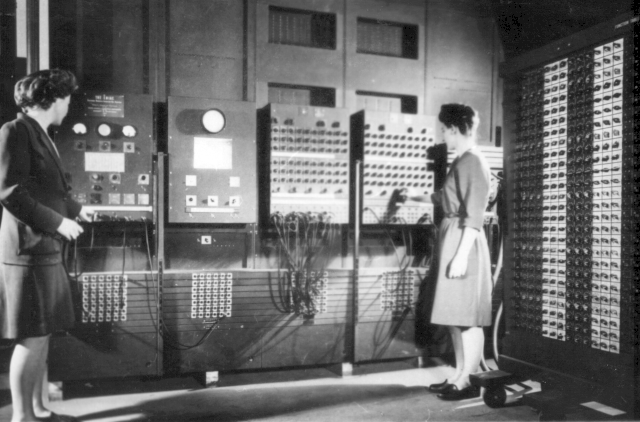
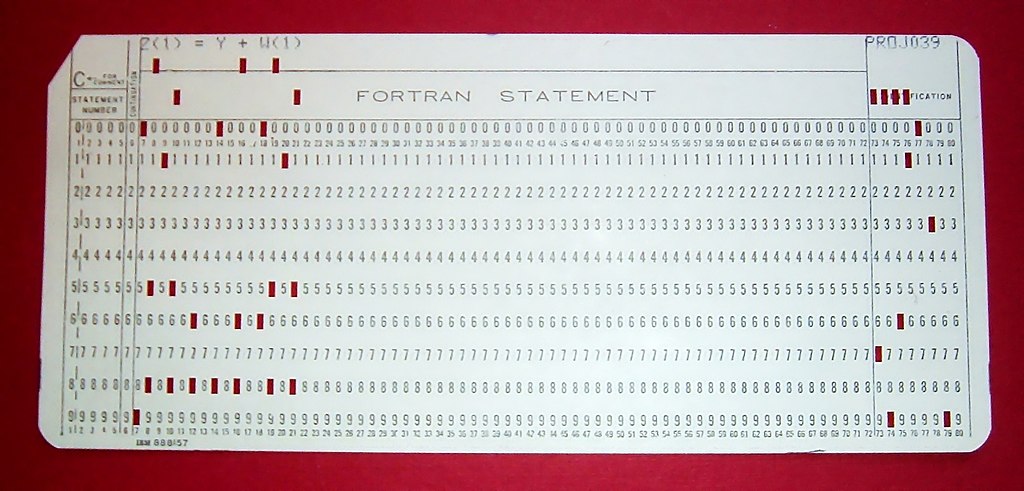
Why Languages?
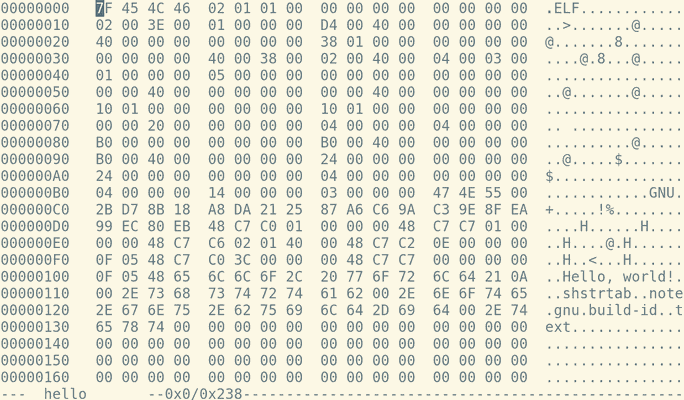
Editing Binaries Manually
objdump -d hellohello: file format elf64-x86-64
Disassembly of section .text:
00000000004000d4 <.text>:
4000d4: 48 c7 c0 01 00 00 00 mov $0x1,%rax
4000db: 48 c7 c7 01 00 00 00 mov $0x1,%rdi
4000e2: 48 c7 c6 02 01 40 00 mov $0x400102,%rsi
4000e9: 48 c7 c2 0e 00 00 00 mov $0xe,%rdx
4000f0: 0f 05 syscall
4000f2: 48 c7 c0 3c 00 00 00 mov $0x3c,%rax
4000f9: 48 c7 c7 00 00 00 00 mov $0x0,%rdi
400100: 0f 05 syscallmov $0x1, %rax
48 c7 c0 01 00 00 00
- 48 - REX prefix
- c7 - mov instruction
- c0 - register rax
- 01 00 00 00 - immediate value

16 x64 Registers
- RAX
- RBX
- RCX
- RDX
- RSI
- RDI
- RSP - Stack Pointer
- RBP - Base Pointer
- R8 - R15
System Calls
- Provide a way to call a function in kernel space
- Examples
- read
- write
- exit